
Conversation-style article
When a Child's Story Becomes a Film
Why the real significance of AI-assisted storytelling lies not in technical spectacle, but in attention, care and recognition.
Read the public articleSix articles · three connected enquiries
Behind the polished artefact is a human story. Behind the speed is a process. Behind the use of AI is a chain of judgement, evidence and responsibility.
One project, three levels
These six articles examine the same unfolding practice from different distances.
Each enquiry has two forms: a research paper that establishes the academic argument and a Conversation-style article that opens it to a broader public audience. Read one pair, follow the whole sequence, or switch between formats to see how the same evidence changes when the audience changes.
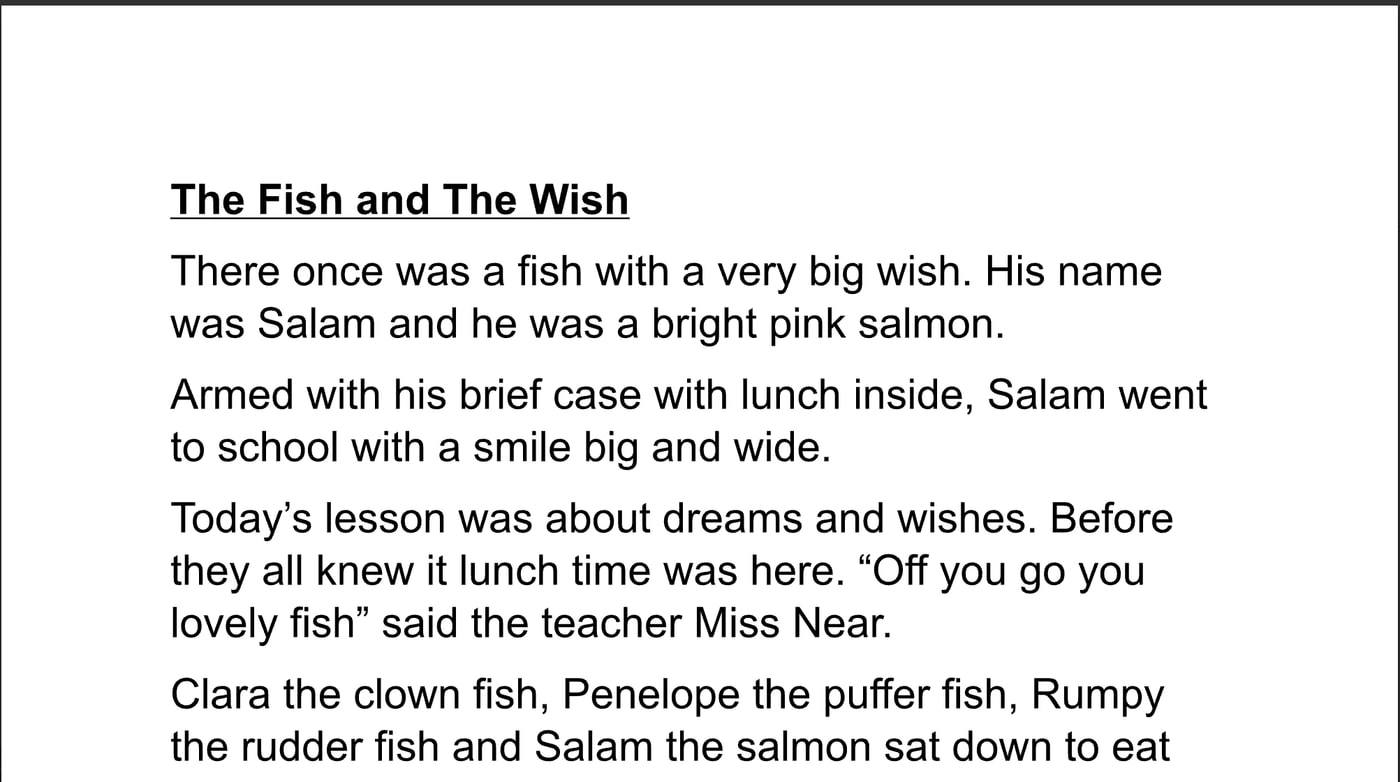
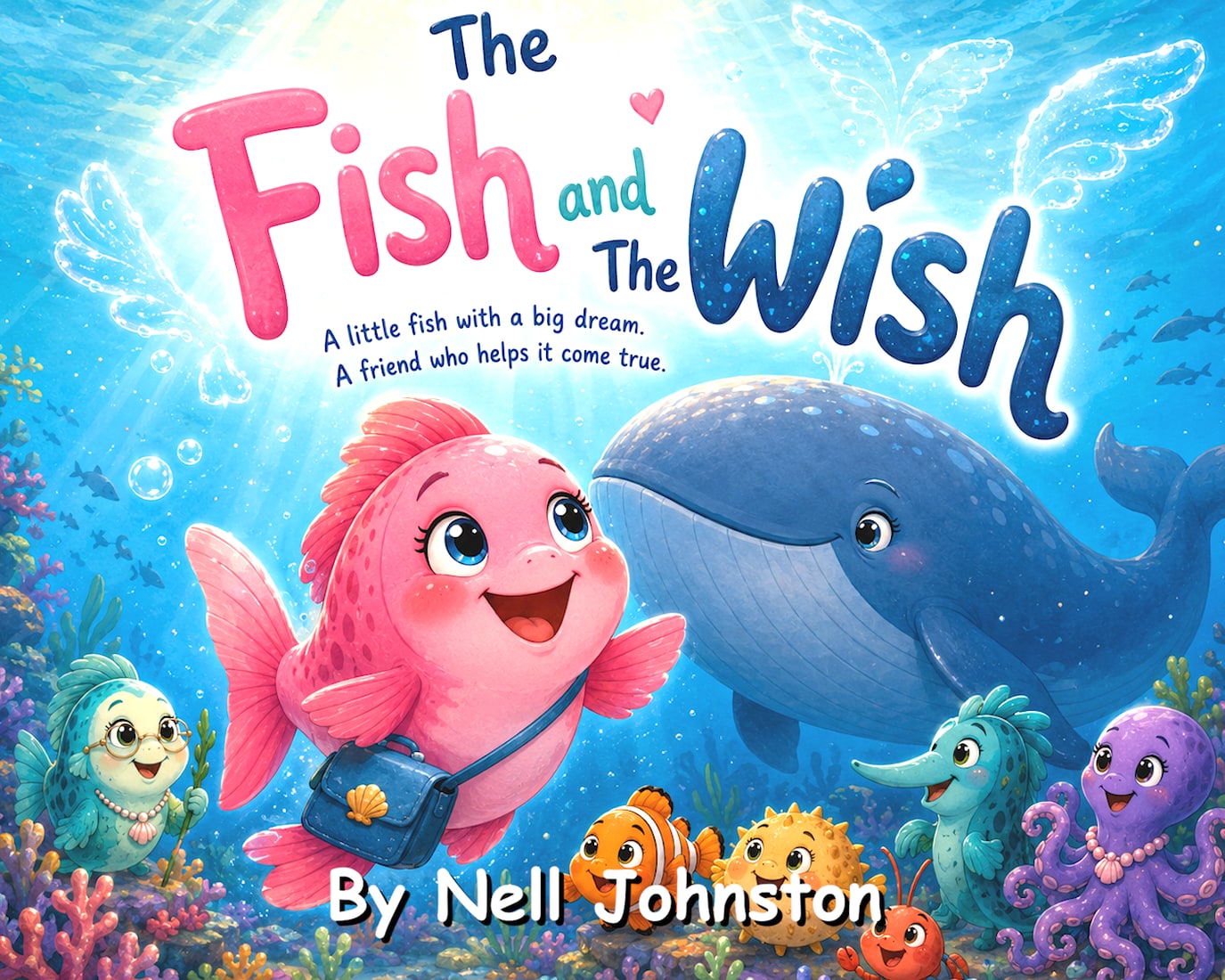
A handwritten story becomes image, sound, film and a shared moment. The important question is not what the technology can make, but whether the original voice remains present.
Conversation-style article
Why the real significance of AI-assisted storytelling lies not in technical spectacle, but in attention, care and recognition.
Read the public articleAcademic position paper
Storybook as multimodal story transformation, recognition and shared meaning-making across authorship, place, music and memory.
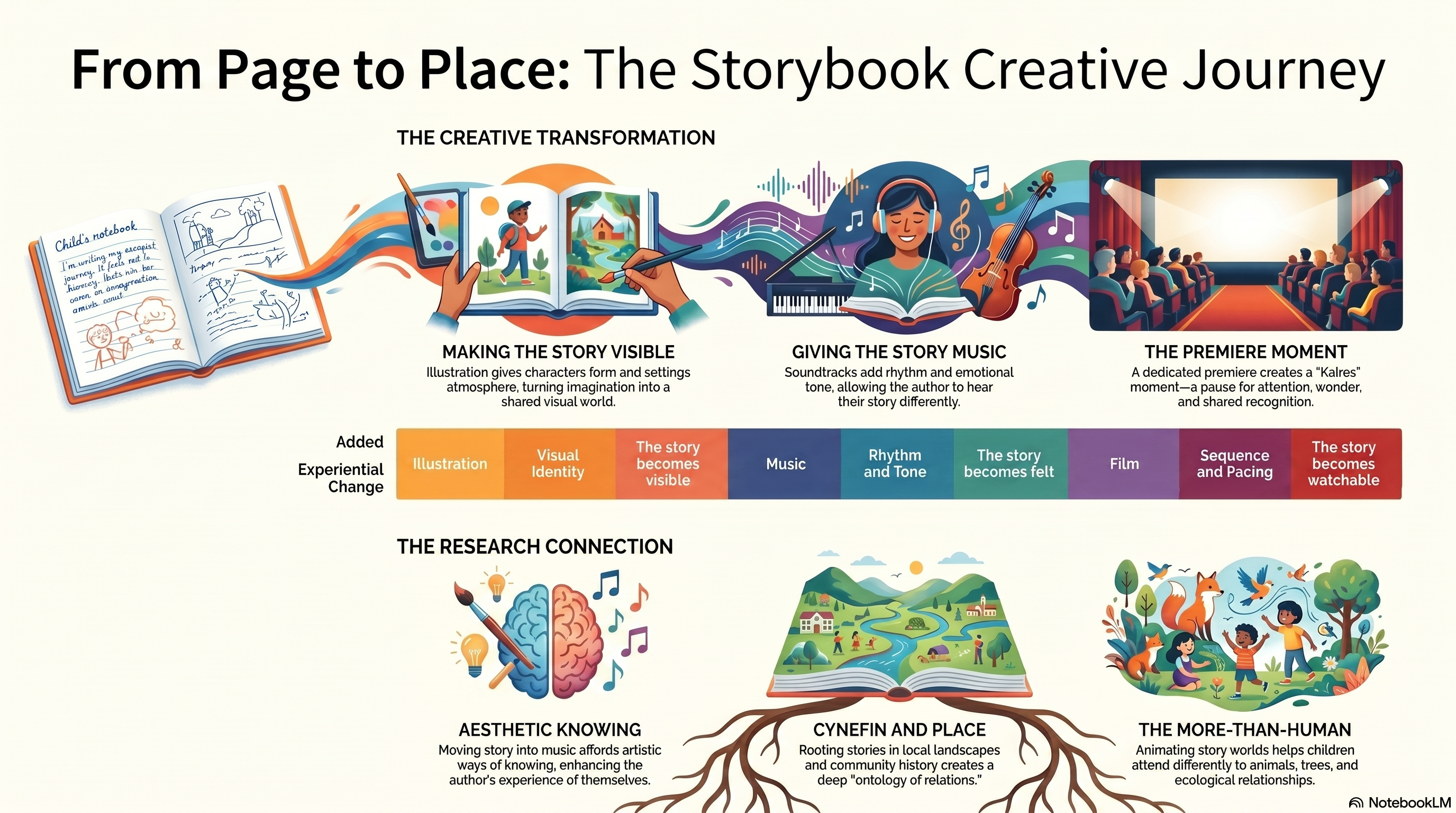
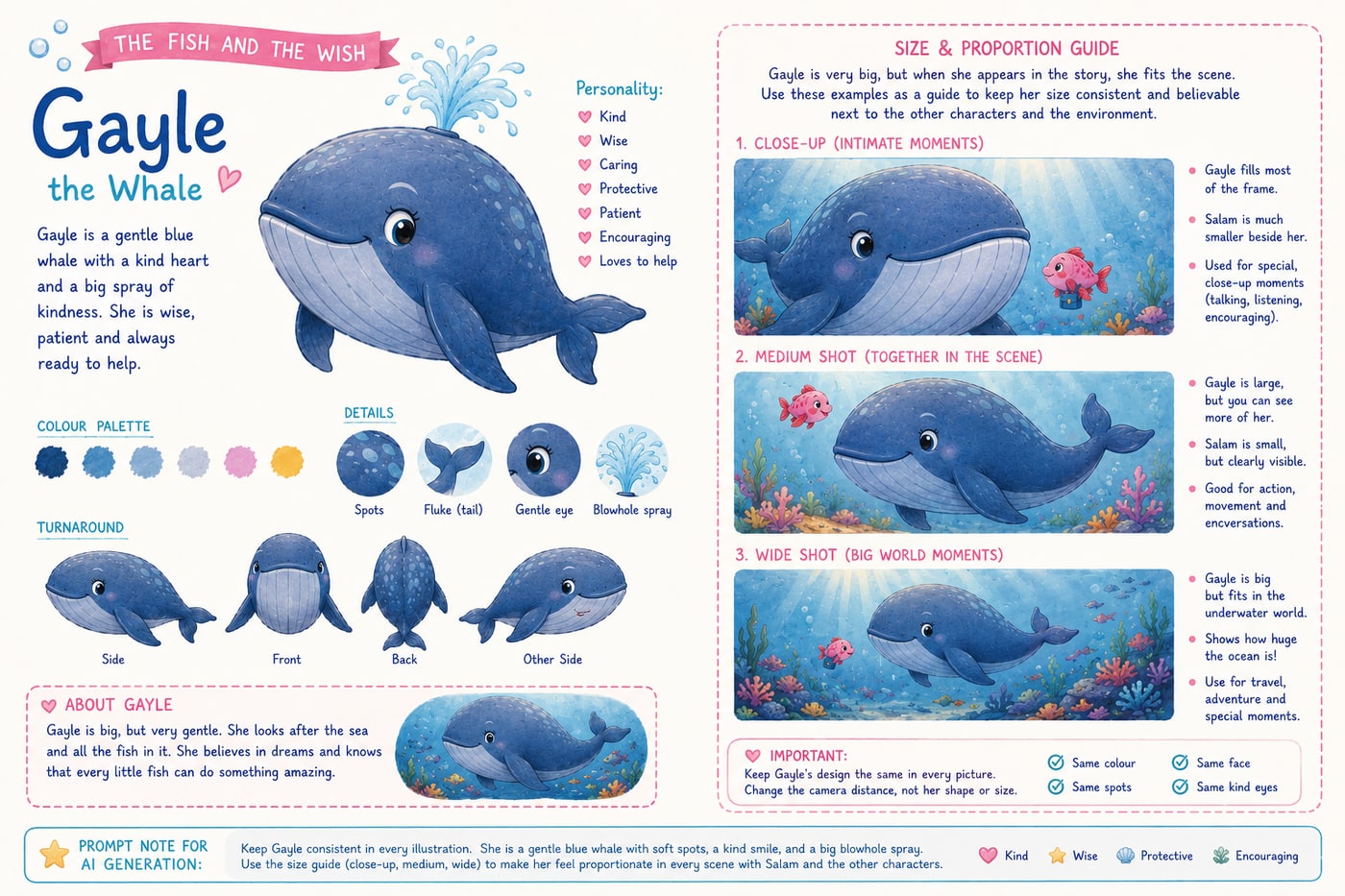
Read the research paperThe output did not arrive in one prompt. It emerged through a recursive loop in which each artefact became something new to inspect, judge, revise and think with.
Conversation-style article
A clearer public account of what changed: not the need for human judgement, but the speed at which judgement could act on visible work.
Read the public articleAcademic case study
A practice-led account of AI plus intelligence amplification, where productivity comes from compressing the loop between making, seeing and remaking.
Read the research paperIn higher education, a polished final product can no longer tell us enough. Responsible AI use requires evidence of the route: the sources, choices, checks, revisions and ownership behind the work.
Conversation-style article
A public case for moving beyond detection and asking whether students can explain what they did, checked, changed and learned.
Read the public articleEvidence-supported paper
An evidence-led argument that universities must teach and assess documented judgement, verification and responsibility in AI-assisted work.
Read the research paperThe argument beneath the collection
The six articles move from creative meaning, through productive practice, to educational responsibility. Together, they make the process visible.