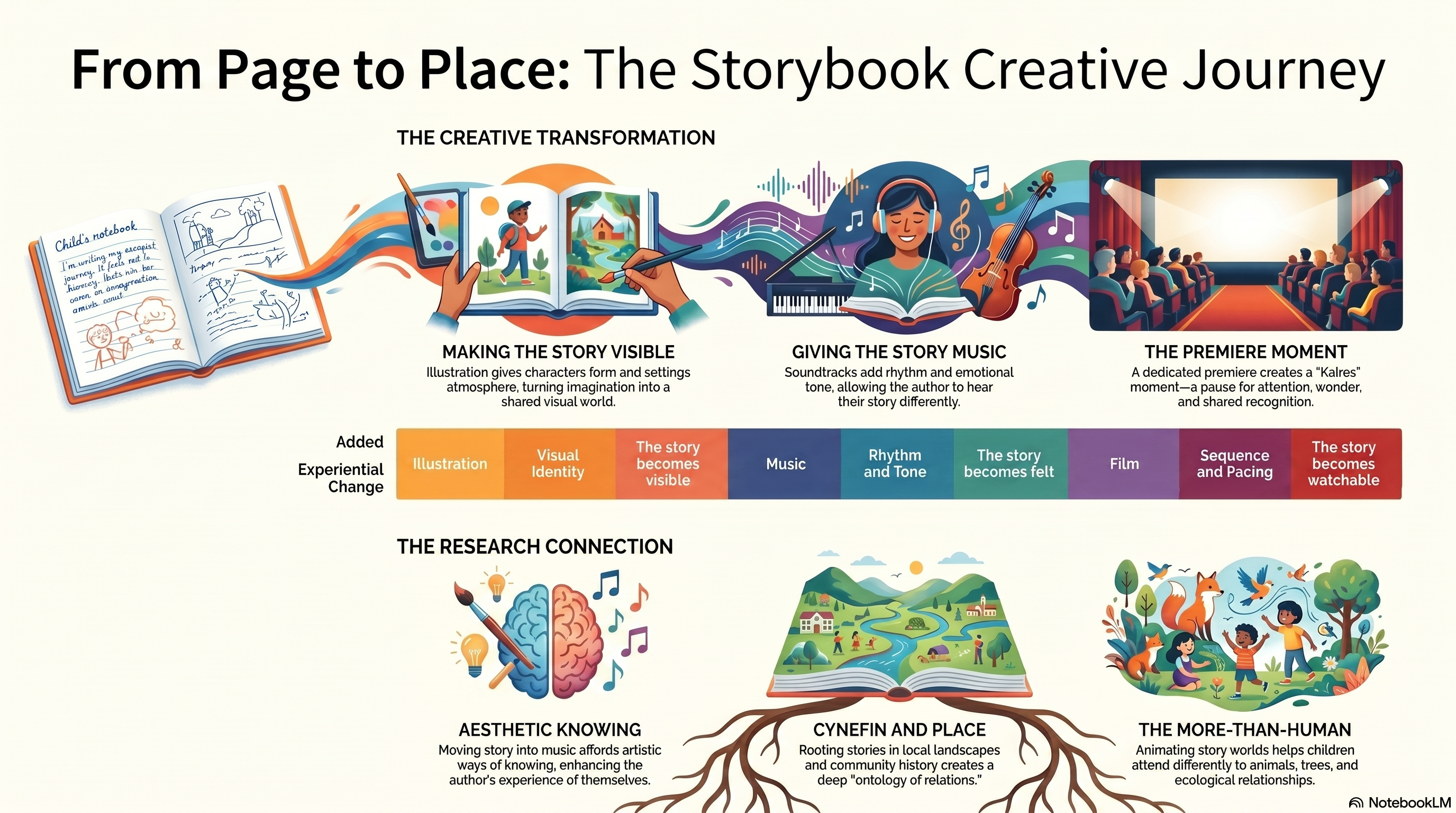
I recently began with a very small creative question: could a child's written story be given some illustrations?
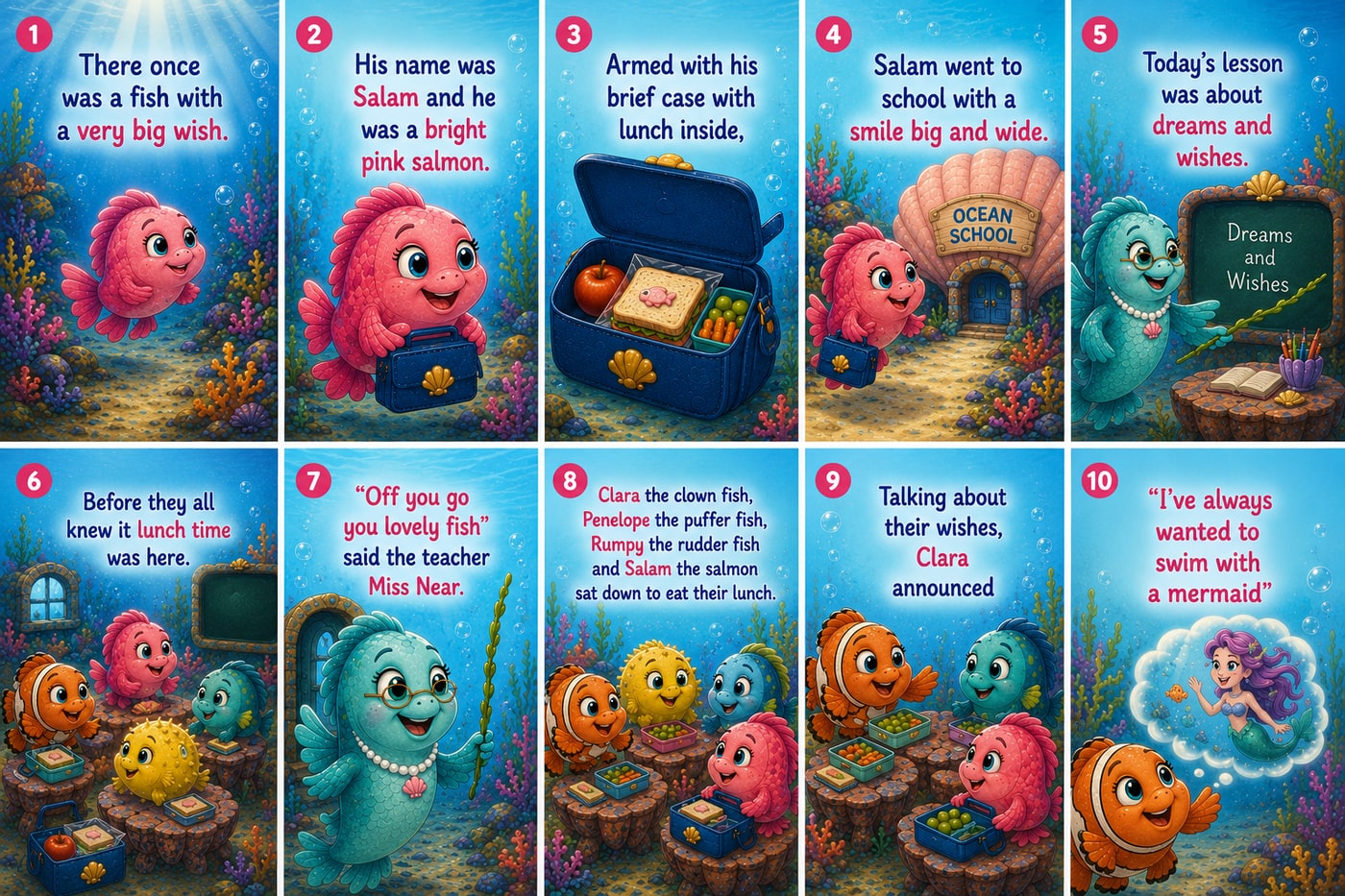
It sounded simple. A child had written a story. The first thought was to make the characters visible and give the story a world. But once the story had images, another question appeared: what might it sound like? Then came music, rhythm, pacing, movement, a short film and, eventually, a premiere-style page where the family could watch the finished piece together.
The striking part was not the technology. It was the moment of recognition.
The child did not simply receive a digital product. They saw their words, characters and imaginative logic taken seriously. The story had not been replaced by a slicker adult version. At its best, it had been carried into another form while still sounding like theirs.
That distinction matters, because we are living through a period in which generative AI can produce polished media faster than most people can fully process. Images, songs, scripts and videos can appear within minutes. This creates obvious excitement, but also a quieter risk: that the speed of production distracts us from the human meaning of the source material.
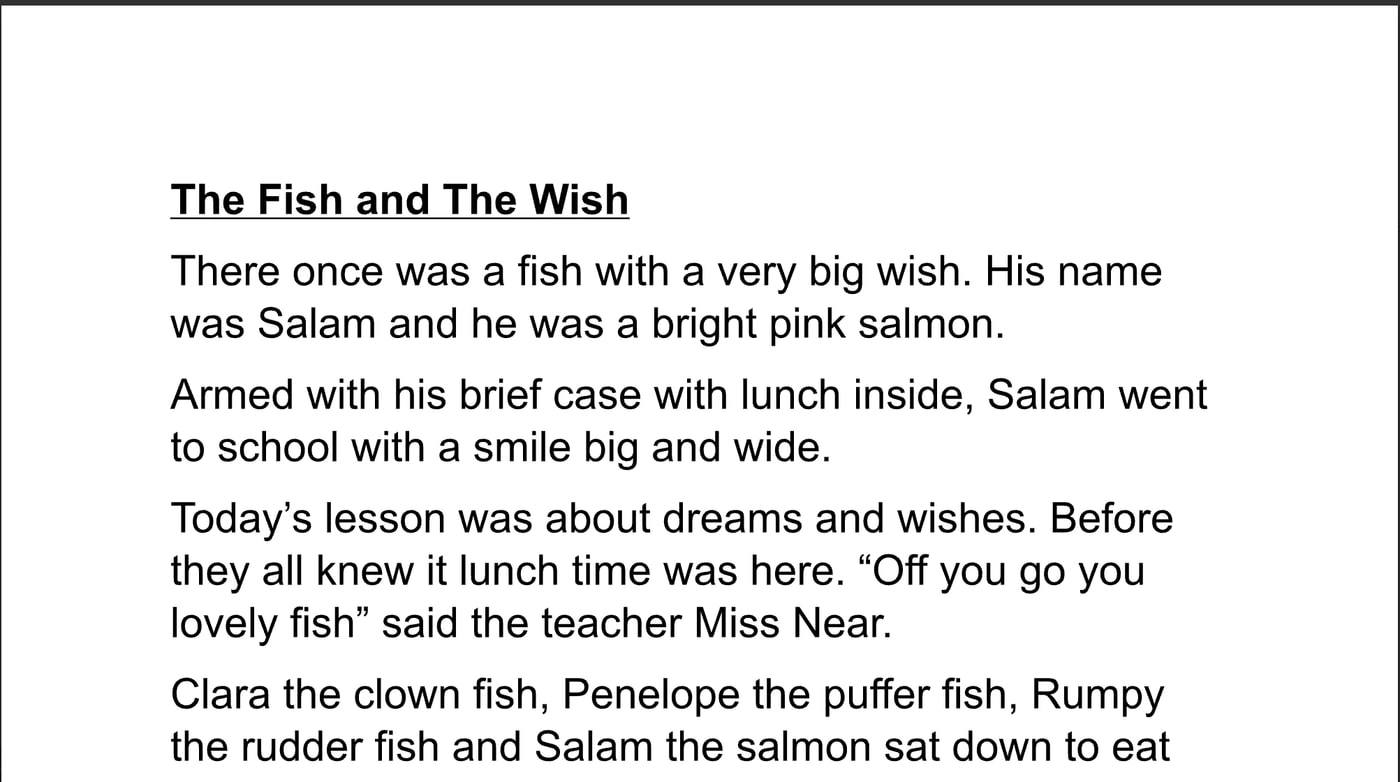
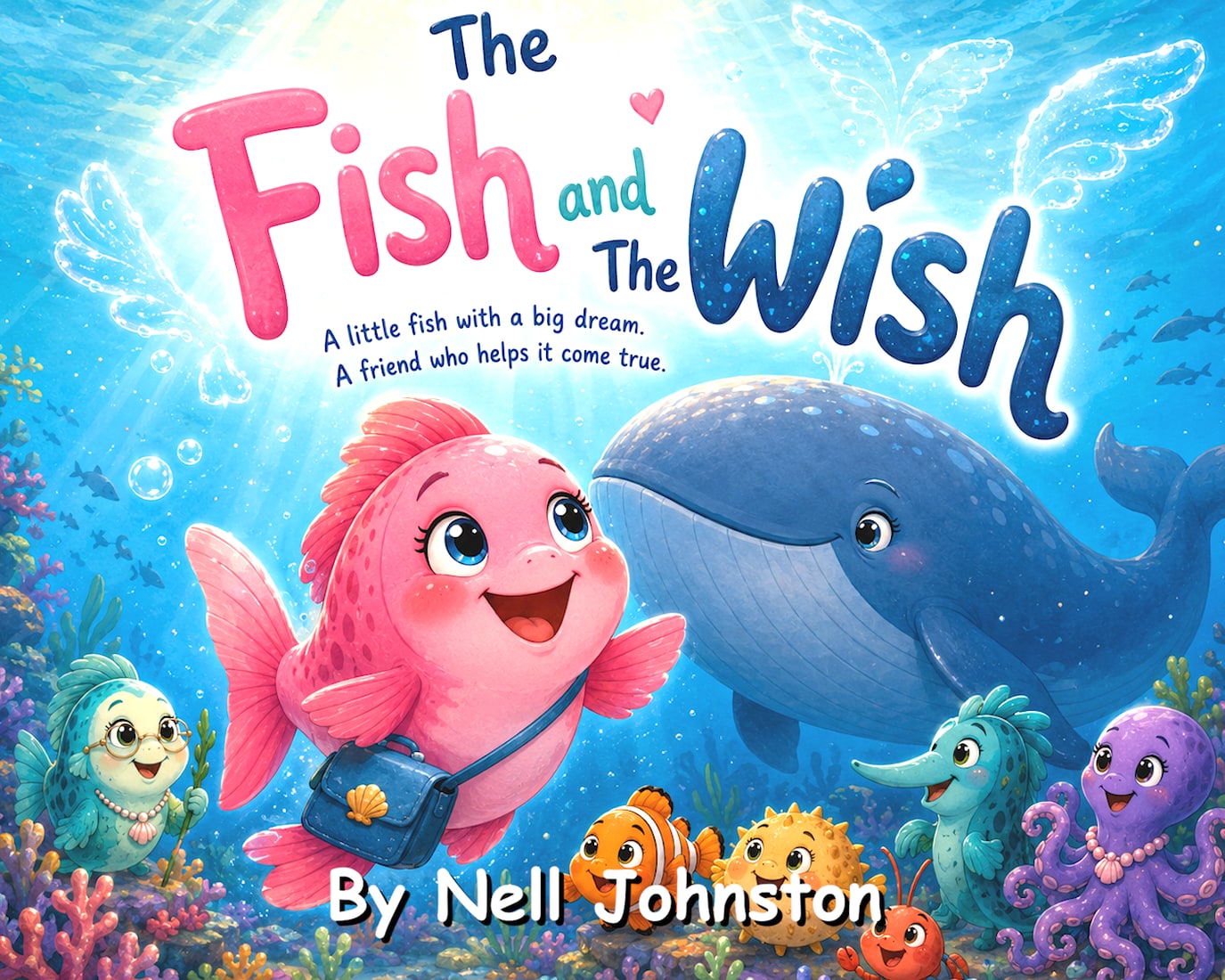
When a child's story becomes a film, the central question should not be, "How impressive is the output?" It should be, "Can the author still recognise themselves in it?"
Why stories are more than content
Stories are not just containers for information. Developmental psychologists have shown that family storytelling and autobiographical memory help children build a sense of self over time. Research on narrative identity similarly suggests that people make meaning by connecting events into stories about who they are, where they have come from and what matters to them.
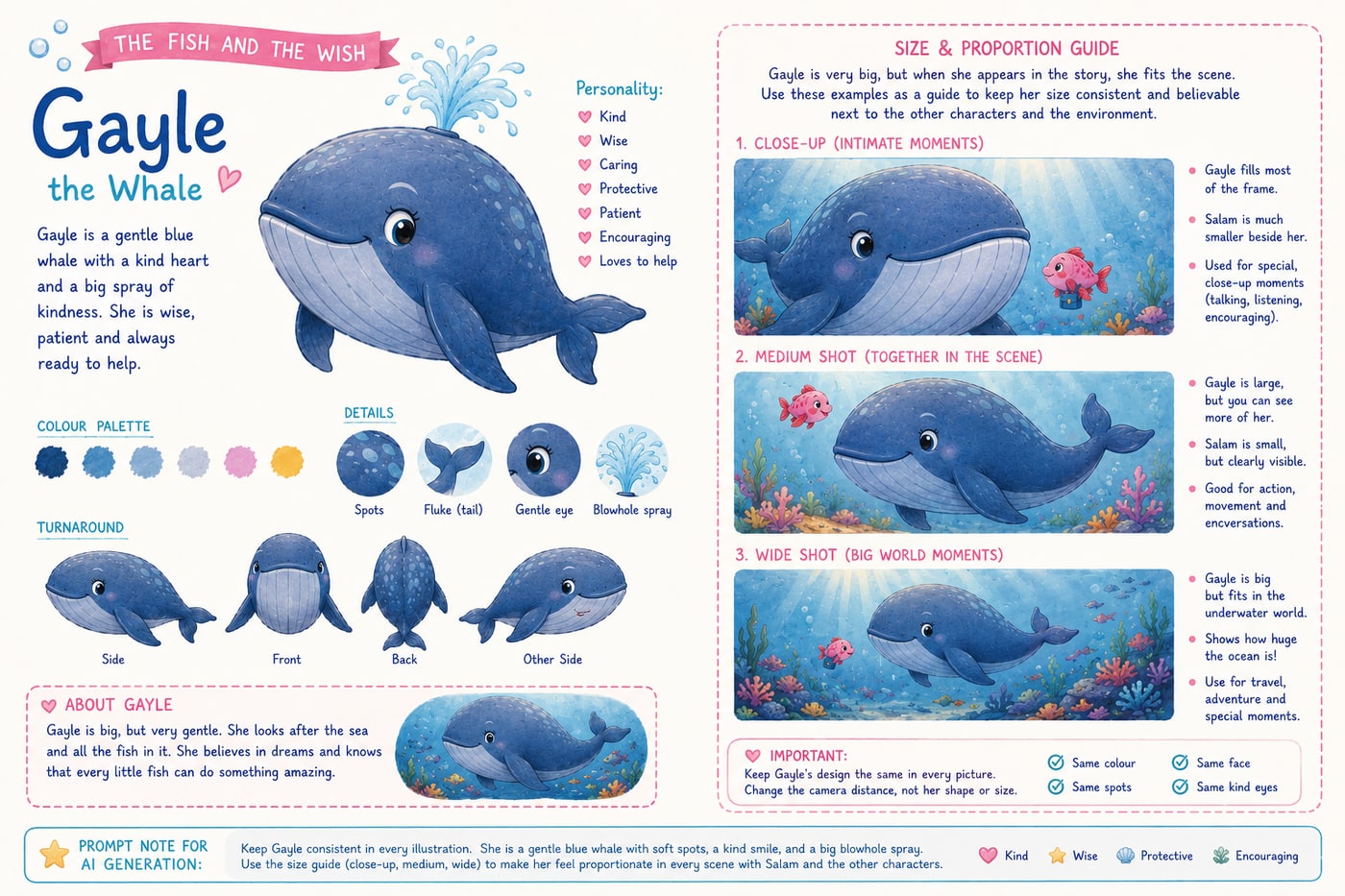
This is why a child's story deserves careful handling. A strange plot twist, an odd character name, a joke that does not quite follow adult logic, or a drawing that seems disproportionate may be exactly where the child's authorship lives. These details are easy to tidy away in the pursuit of a more professional-looking product. But if we polish too aggressively, we may remove the voice we were trying to honour.
The same applies to family and legacy stories. A rediscovered manuscript, a childhood notebook, a grandparent's poem or a story connected to a particular place may matter because it holds someone's way of seeing the world. The value is not only in the plot. It is in the trace of the person.
Research on reminiscence, life review and creative ageing and arts participation helps explain why objects such as stories, photographs, music and recordings can become prompts for conversation and memory. But this does not mean that every story film is therapeutic, nor that it should be marketed as such. The more careful claim is that creative transformation can create an occasion for recognition.
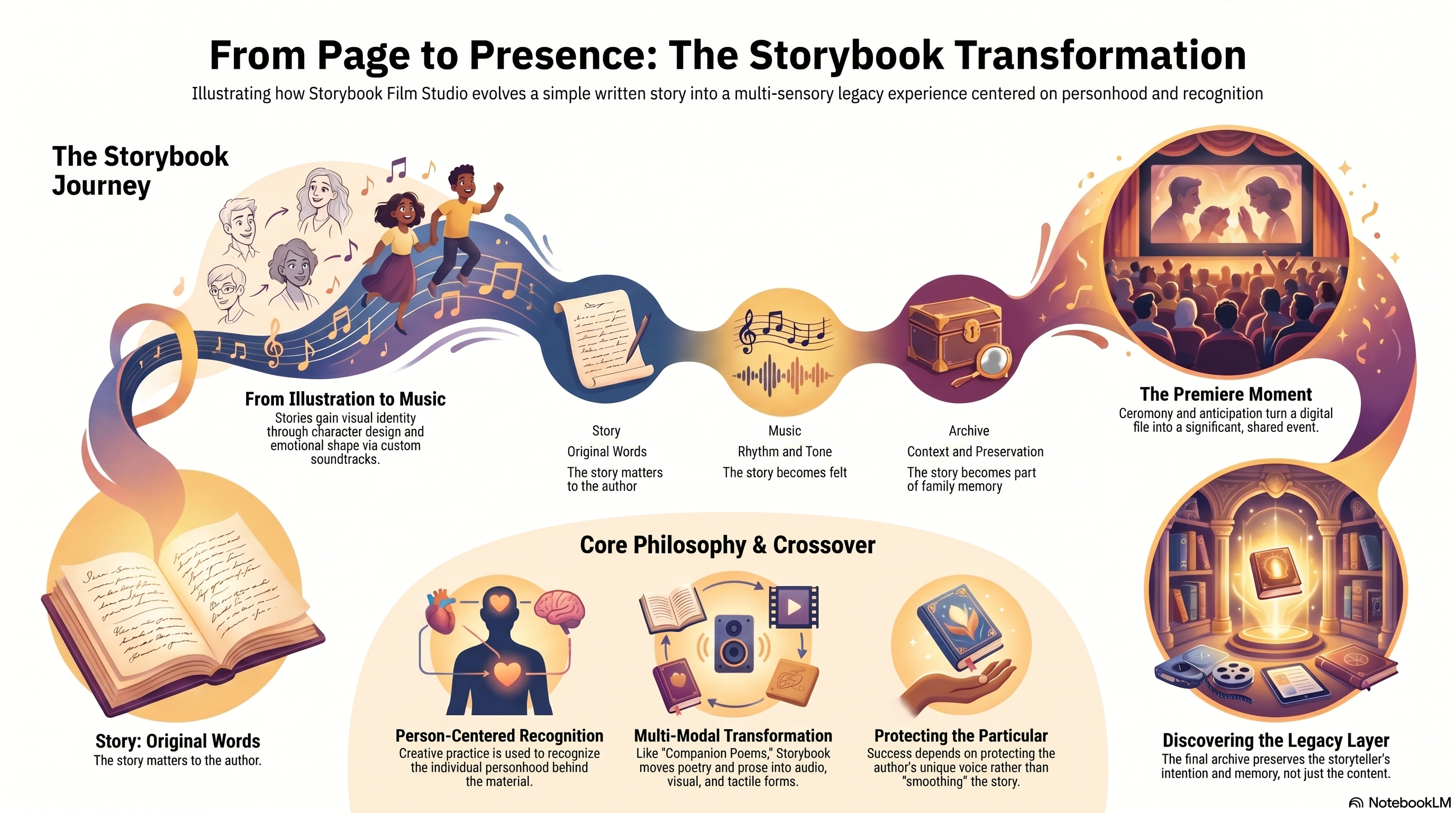
The power and danger of adding media
Turning a story into a film changes the way it is experienced. Images give characters form. Music adds tone and emotional movement. Editing creates pace. A premiere creates a shared moment of attention.
Research on dual coding and multimedia learning suggests that words and images can work together when they support the same meaning. But it also warns against overload. A meta-analysis of technology-enhanced storybooks found that story-relevant multimedia features can help, while distracting or poorly aligned features can interfere. More media is not automatically better.
Music is especially powerful. It can help a story feel tender, comic, adventurous or mysterious. Research on emotional responses to music helps explain why. But the same power creates responsibility. Does the soundtrack help the story breathe, or does it tell the audience what to feel?
For children, this question connects with learner voice and creative ownership. Music education research has increasingly challenged narrow ideas of musical value based only on polished performance or formal tradition. Studies of music education during curriculum reform in Wales, musical identity and creative dispositions, and student teachers moving beyond inherited musical habitus ask us to attend to identity, participation, composing, listening, improvising and sharing. Applied to story transformation, this suggests that the song is not simply an artefact to be judged. It is a way of asking whether the child's idea has become audible.
Stories belong somewhere
Another lesson from education research is that stories are often rooted in place. In Wales, the word cynefin is often used to describe a sense of habitat, belonging, locality and relationship. Dylan Adams' work on the curriculum potential of cynefin shows that it is not just "place" in a simple geographical sense. It can involve language, landscape, memory, family, community, history and the living world.
This matters because children's stories are rarely as placeless as they first appear. They contain gardens, seas, animals, streets, schools, woods, bedrooms, weather and imagined lands. Research on place-based curriculum and relations, art and animation outdoors, and children's woodland music-making invites us to treat these not merely as backgrounds, but as relationships.
If a story includes a river, a sheep, a tree or a path, the film-maker has a choice. These can become decorative scenery, or they can be treated as part of how the child is imagining their world. Again, the technology is secondary. The question is whether the process helps us look more carefully.
AI can accelerate making, but it cannot supply care
Generative AI makes this whole process newly possible at speed. A small team, or even one person, can now move rapidly from story to illustration, music, film, web page and archive. That speed is extraordinary. It also changes the labour of creative practice.
But speed is not the same as understanding.
AI can generate options. It can help visualise characters, draft music prompts, structure a film, organise research and test different versions of an idea. What it cannot do on its own is know why a particular phrase matters to a family, why an odd drawing should be preserved, why a line should not be smoothed, or why a child might need to hear that their story was already enough.
This is where the idea of AI as "intelligence amplification" becomes useful. The best use of AI in story work may not be to replace human creativity, but to extend human attention. The human role becomes one of selection, restraint, interpretation, consent and care.
In that sense, the story is not just about artificial intelligence. It is about a fusion of artificial intelligence and human intelligence: a process in which tools accelerate production, but people remain responsible for meaning.
The premiere moment
One of the most interesting parts of this process is the premiere.
A premiere-style viewing page may sound like a small flourish, but it changes the social meaning of the artefact. The story is no longer just a file sent in a message. It becomes an occasion. People pause. They gather. They watch. They respond.
Education and arts research often reminds us that meaning is not only inside the object. It is also in what people do around it. A story film may matter less because it exists, and more because it creates a moment in which a child, parent, grandparent, teacher or family member can say: we saw this; we heard this; this mattered.
That is also why caution is necessary. These films should not be claimed to improve wellbeing, literacy, ecological awareness, musical learning or family relationships without research. They may create meaningful experiences, but meaning is not the same as measurable impact.
The deeper question is not whether AI can make a better story. It is whether new creative tools can help us attend more carefully to the stories people already have.
If a child's handwritten page becomes image, music, film and shared attention, the most important thing may not be the finished video. It may be the message carried back to the author:
Your story was worth listening to.And you are still in it.